
Moving to France is an exciting transition, but bringing your pet along adds a layer of complexity that requires careful planning. Whether you’re relocating with a dog or a cat, the process is highly structured and regulated, and small missteps can lead to delays or even denied entry. The good news is that France follows the European Union’s standardized import rules, which means the process is predictable once you understand the requirements.
For pet owners in the United States, most of the preparation revolves around meeting guidelines established by the European Commission and ensuring documentation is properly completed and endorsed through USDA APHIS. With the right timeline and preparation, moving pets to France can be a smooth and manageable experience.
Understanding the Requirements for Moving Pets to France
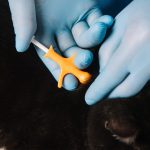
At the core of the process are a few non-negotiable requirements that must be completed in the correct order. France requires all pets to be uniquely identified with an ISO-compliant microchip, which serves as the primary form of identification throughout the journey. This step must come first, as vaccinations administered before microchipping may not be considered valid.
Once your pet is microchipped, a rabies vaccination is required. Timing matters here. Your pet must be at least 12 weeks old at the time of vaccination, and you’ll need to wait at least 21 days after the shot before traveling. This waiting period is one of the most common points of confusion and can easily disrupt travel plans if overlooked.
Closer to your departure date, your veterinarian will issue an EU Health Certificate. This document confirms that your pet meets all entry requirements and must be completed within 10 days of travel. It then needs to be officially endorsed by USDA APHIS, which adds an additional administrative step that should not be left to the last minute.
If you’re traveling with a dog, there’s one final requirement: a tapeworm treatment administered within a specific window, which is no sooner than 120 hours and no later than 24 hours before entering France. While this step doesn’t apply to cats, it’s strictly enforced for dogs and often missed by first-time travelers.
Moving to France with Cats vs Dogs
While the overall framework is similar, the experience of traveling with a cat can feel very different from traveling with a dog. Cats tend to be smaller and are more likely to qualify for in-cabin travel, which allows them to remain with you throughout the flight. However, they can also be more sensitive to environmental changes, making carrier comfort and stress reduction especially important. Simple steps like introducing the carrier early or including familiar bedding can make a noticeable difference.
Dogs, on the other hand, often present more logistical challenges, particularly as size increases. Larger dogs typically need to travel in the cargo hold, which requires a compliant crate and additional coordination with the airline. There are also breed-specific regulations to consider, as France maintains restrictions on certain breeds classified as dangerous. If your dog falls into one of these categories, it’s important to verify eligibility before making travel arrangements.
To dive deeper, see our guides on How to Measure Your Dog for a Flight Kennel and Pet Cargo & Air Freight for Dogs and Cats.
Choosing the Right Pet Transport Option
One of the most important decisions you’ll make is how your pet will actually travel to France. Smaller pets may be eligible to fly in the cabin with you, provided they meet airline size and weight restrictions. This is generally the least stressful option for both pets and owners, though availability is often limited.
For pets that cannot travel in-cabin, checked baggage is sometimes an option if your pet is flying on the same flight as you. In this case, your pet will travel in a temperature-controlled area of the aircraft. Larger pets or those traveling alone are typically transported via manifest cargo, which is a more structured process handled through airline cargo departments.
Many pet owners find that coordinating these logistics on their own can quickly become overwhelming. This is where professional pet relocation services come into play. These services handle everything from documentation and scheduling to airline coordination and customs clearance, significantly reducing the risk of complications during travel.
Planning Ahead for a Smooth Move
A successful relocation starts well before your travel date. Ideally, you’ll begin preparing at least two to three months in advance to ensure there’s enough time to complete each step without rushing. The early stages typically involve microchipping and rabies vaccination, followed by confirming airline requirements and gathering documentation.
As your travel date approaches, the focus shifts to finalizing paperwork and scheduling veterinary visits. The EU Health Certificate must be completed within a tight window, and any delays in endorsement can impact your ability to travel on schedule. For dog owners, the final step is timing the tapeworm treatment correctly, as it must fall within a very specific timeframe before entry.
Why Many Pet Owners Choose Professional Relocation Services
While it’s entirely possible to manage pet relocation on your own, the process involves multiple checkpoints where small mistakes can have outsized consequences. From coordinating veterinary documentation to navigating airline policies and international regulations, several moving parts need to align perfectly. Professional pet relocation services are designed to handle these complexities on your behalf. By managing the logistics end-to-end, they help ensure compliance, reduce stress on both you and your pet, and provide reassurance that everything is being handled correctly. For families balancing an international move, this level of support can be invaluable.
FAQs About Pet Relocation to France
Will my pet need to quarantine in France?
-
One of the most common concerns pet owners have is whether their pet will need to quarantine upon arrival. In most cases, the answer is no. As long as all requirements are met and documentation is in order, pets can enter France without quarantine and continue on to their final destination with you. However, if there are discrepancies in paperwork or missed requirements, authorities have the right to deny entry or impose quarantine measures at the owner’s expense.
Do pets need passports to enter France?
-
Pets traveling from the United States do not need a passport but must have an EU Health Certificate endorsed by USDA APHIS.
What does it cost to relocate a pet to France?
- The cost of moving a pet to France can vary widely depending on the size of your pet, the method of travel, and how much of the process you choose to manage yourself. Veterinary preparation, including vaccinations and documentation, is typically one of the smaller components of the overall cost. Air travel, on the other hand, can range significantly, especially for larger pets requiring cargo transport. For those seeking a more hands-off experience, full-service pet relocation can provide peace of mind. While it’s possible to manage the process independently, many pet owners ultimately decide that the reduced stress and lower risk of errors justify the additional investment.
Quick Recap: Requirements for Moving Pets to France
For easy reference, here are the core requirements your pet must meet before entering France:
-
ISO-compliant microchip
-
Must be implanted before rabies vaccination
-
-
Rabies vaccination
-
Administered after microchipping
-
Pet must be at least 12 weeks old
-
Minimum 21-day waiting period before travel
-
-
EU Health Certificate
-
Issued by an accredited veterinarian
-
Completed within 10 days of travel
-
Must be endorsed by USDA APHIS
-
-
Tapeworm treatment (dogs only)
-
Required for entry into France
-
Must be given 24–120 hours before arrival
-
-
Compliance with EU regulations
-
All documentation and requirements must align with the pet travel standards set by the European Commission
-
Plan Your Move to France with Animal Land
Relocating your pet internationally can feel overwhelming at first, but breaking the process down into manageable steps makes it far more approachable. With the right preparation and the right relocation support when needed, you can ensure your pet arrives safely and comfortably in France.
If you’re looking for guidance along the way, working with a professional pet relocation service can help streamline the process and give you confidence that every detail is handled properly.
Ready to Start Planning?
Contact our relocation team to discuss the details of your move and get a free quote.