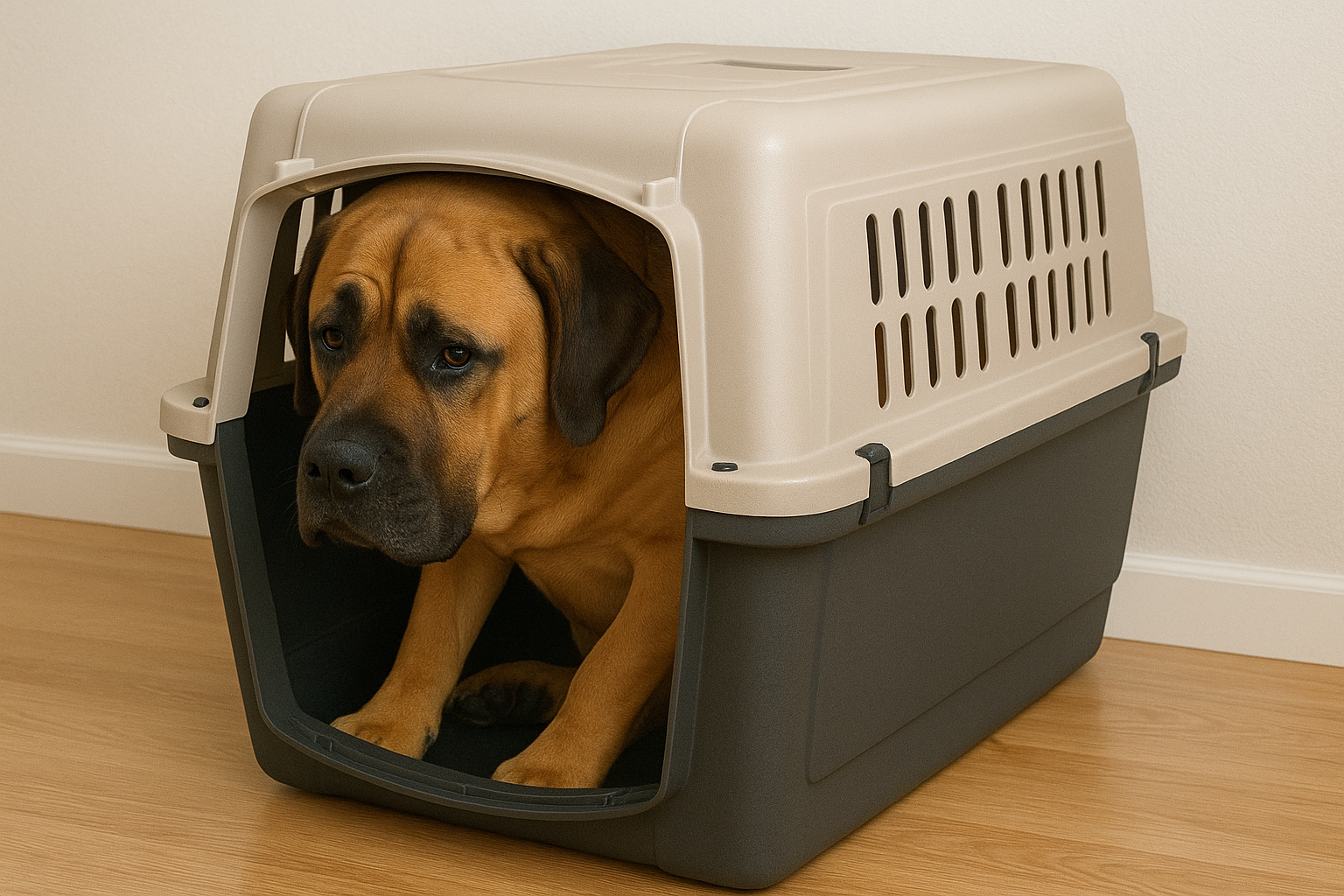

Relocating with a large dog can feel intimidating at first. Unlike smaller pets that may travel in the cabin of an aircraft, larger breeds typically require more planning, specialized equipment, and careful coordination with airlines and veterinarians.
We work with families moving large dogs every day, both across the country and internationally. From selecting the right airline routes to preparing veterinary documentation and travel kennels, we’ve seen how thoughtful preparation makes the journey safer and far less stressful for both pets and their owners.
Large dogs can travel safely and comfortably when the process is handled correctly. The key is understanding the requirements ahead of time and planning each step carefully.
Watch: How Large Dogs Travel During International Relocation
To help explain how large dog relocations work, we created the video below. In it, our team walks through the most important factors to consider when transporting larger dogs over long distances. We break down the essentials of international pet relocation, including how airlines handle large animals, what kind of veterinary preparation is required, and how proper travel kennels help keep pets comfortable during their journey.
If you’re preparing for a move, this overview will give you a clear sense of how the process works and what to expect.
Why Large Dogs Require Different Travel Planning
One of the biggest surprises for pet owners is that large dogs typically travel differently than smaller pets. Most airlines restrict cabin travel to animals under a certain size and weight. Because of this, larger dogs usually travel in temperature-controlled airline cargo compartments specifically designed for live animals.
Although the term “cargo” can sound concerning, modern airline animal transport programs are built with safety in mind. Airlines that regularly transport animals follow strict procedures for handling live pets, including specialized loading processes, monitoring protocols, and trained ground staff.
From our experience coordinating relocations, choosing the right airline and routing plays a significant role in how smoothly a trip goes. Some airlines have extensive experience transporting animals, while others limit their programs or only operate them seasonally.
If you’re curious about how these systems work, our guide to airline cargo transport for dogs and cats provides a detailed explanation of the process. Understanding these logistics early helps pet owners feel much more comfortable about their dog’s travel experience.
Choosing the Right Travel Kennel for Large Dogs
A proper travel crate is one of the most important factors in a safe relocation.
Airlines follow guidelines established by the International Air Transport Association (IATA) to ensure animals have adequate space during transport. For large dogs especially, crate size becomes critical. Your dog’s kennel must allow them to stand naturally without their ears touching the top, turn around comfortably, lie down in a natural position, and maintain normal posture throughout the journey.
When crates are too small or improperly sized, airlines may refuse to transport the animal until a suitable kennel is provided. This is one of the most common last-minute issues we see when owners attempt to arrange travel independently. Our article on selecting an airline-approved travel kennel explains the sizing process and common mistakes to avoid. Preparing the correct kennel well before departure also helps dogs become comfortable with it before the trip.
Veterinary Preparation for Long-Distance Travel
Whether you’re relocating domestically or internationally, veterinary preparation is always part of the process. Most relocations require documentation confirming that the animal is healthy and properly vaccinated. While requirements vary depending on the destination, several elements are common across many moves.
Large dog relocations often involve:
-
Microchip identification
-
Rabies vaccination verification
-
Veterinary health certificates
-
Destination-specific vaccinations or testing
For international relocations, these documents may also require government endorsement before travel. The USDA Animal and Plant Health Inspection Service (APHIS) maintains guidance for international pet travel requirements, which many veterinarians reference when preparing documentation. Because veterinary timelines can affect travel dates, we always recommend starting the process early, especially for international moves where certain vaccines or tests must be completed weeks or months in advance.
Preparing Your Large Dog for Travel
Even confident dogs can experience some anxiety when traveling long distances. The good news is that preparation can dramatically improve their comfort during the journey. In our experience, dogs tend to travel more calmly when they have time to become familiar with their travel crate before departure. Introducing the kennel weeks in advance and allowing your dog to rest or sleep inside it helps them see it as a safe place rather than something unfamiliar.
Maintaining regular routines also helps. Dogs respond well to consistency, so keeping feeding schedules, exercise routines, and sleep patterns stable leading up to the move can help reduce stress. Exercise on the day of travel is also beneficial. A well-exercised dog is often calmer during the journey.
Choosing the Best Flight Routes for Large Dogs
Another important consideration when moving with large dogs is selecting the right flight routes. Direct flights are generally preferable whenever possible. Minimizing transfers reduces handling and shortens overall travel time for the animal.
Certain international airports also have stronger infrastructure for animal handling than others. Larger airports often have trained staff and specialized facilities that are experienced with live animal transport. When we coordinate relocations, we typically evaluate routes based on factors such as aircraft type, seasonal weather restrictions, and airline experience handling large animals. These details can make a significant difference in ensuring a smooth journey.
International Moves With Large Dogs
International relocations introduce additional planning steps beyond domestic travel. Veterinary documentation, government permits, and airline coordination must all align with the destination country’s import regulations. Families moving overseas often need to coordinate multiple steps simultaneously, including veterinary appointments, document endorsements, and travel logistics. If you’re preparing for an international move, our guide to international pet travel explains the broader process and the types of requirements different countries may impose. Large dogs can travel internationally very successfully, but the timeline and documentation must be handled carefully.
Planning a Smooth Move for Your Large Dog
Moving is already a major life transition, and relocating with a large dog adds another layer of responsibility. With proper planning, however, most pets travel comfortably and adapt quickly to their new environment.
From our experience helping families relocate pets worldwide, preparation and coordination are the most important factors in a successful journey. When the correct crate is chosen, veterinary requirements are met, and airline logistics are handled carefully, large dogs generally travel very well. If you’re planning a move with a large dog, whether across the country or internationally, our team at Animal Land can help guide you through the process. From veterinary preparation and travel kennel selection to airline coordination and documentation review, we assist families every day in relocating their pets safely around the world.
Get started today by requesting a quote from our pet relocation team!