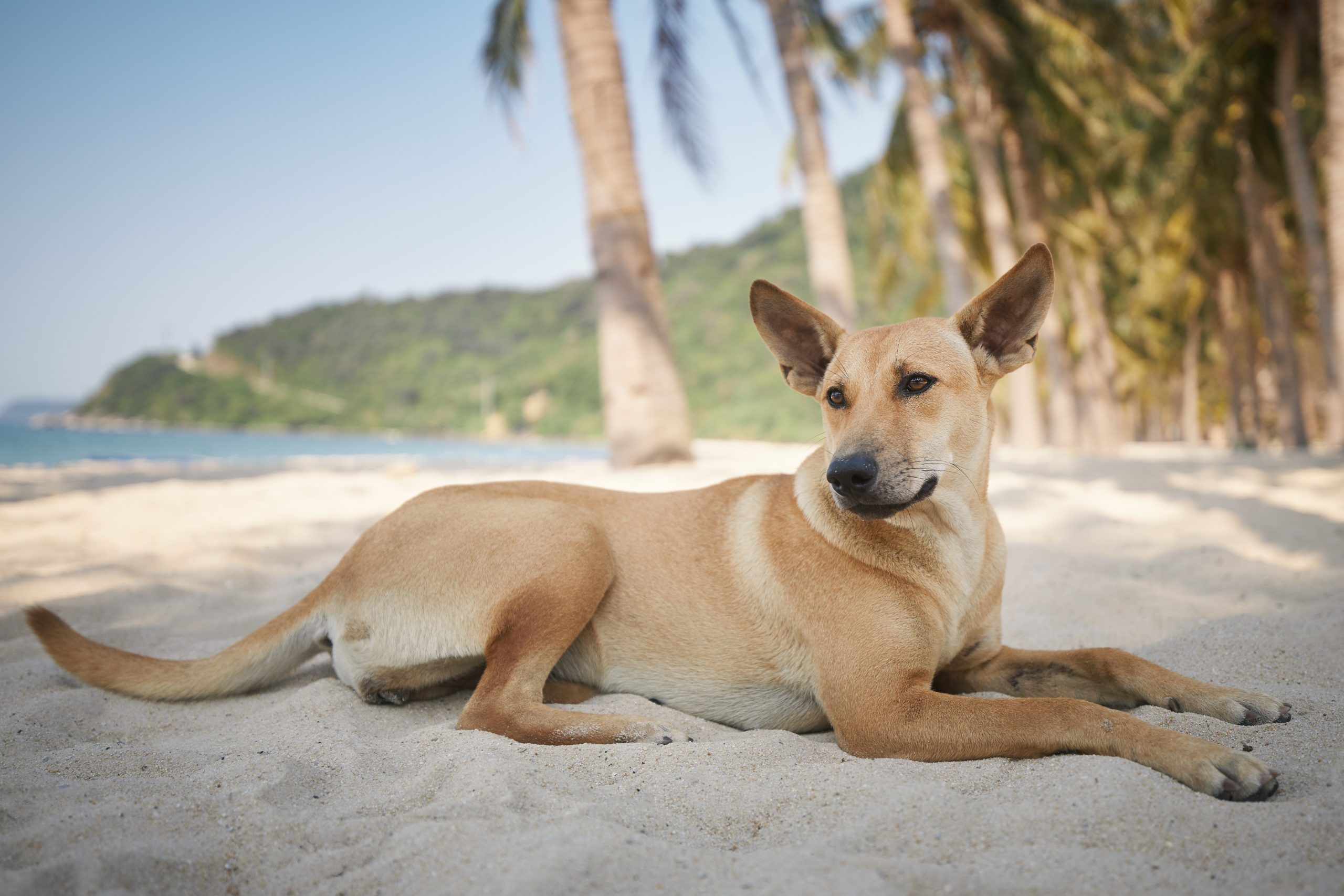

A Step-by-Step Guide to Hawaii’s Animal Quarantine Requirements
Relocating a pet to Hawaii is unlike moving anywhere else in the United States. Because Hawaii is rabies-free, the state maintains one of the strictest animal import programs in the country. We assist families relocating their pets to Hawaii regularly, and one thing is always true: every step must be completed in the correct order and within specific timelines. Missing even one requirement can result in quarantine, sometimes for up to 120 days. Below is a clear, structured explanation of Hawaii’s official animal quarantine requirements, along with practical guidance from our experience helping clients navigate the process.
Understanding Hawaii’s Pet Quarantine Programs
Hawaii operates two main entry pathways:
-
5-Day-or-Less Program
-
120-Day Quarantine Program
If your pet meets all requirements exactly, they may qualify for the shorter program. If documentation or timing requirements are incomplete, your pet may be placed in quarantine until all requirements are satisfied. This is why timing and sequencing are critical.
Step 1: Microchip (Before Anything Else)
All cats and dogs entering Hawaii must be microchipped. The microchip must be scannable upon arrival. If the chip cannot be read, your pet will automatically be placed in the 120-day quarantine program. We’ve seen situations where pets were microchipped after vaccinations or blood testing. That creates documentation conflicts. The microchip should be implanted before rabies vaccinations and before the blood test so all records match.
Pre Arrival in Hawaii
At Least 120 Days Before Arrival: Rabies Blood Test (FAVN)
Hawaii requires a rabies antibody blood test (FAVN test) showing a result of ≥ 0.5 IU/ml. You must wait at least 120 days from the date the blood sample is received by the approved laboratory before entering Hawaii. The waiting period begins the day after the laboratory receives the sample.
The test must also be completed no more than 36 months before arrival. Approved laboratories include:
- Kansas State University Rabies Laboratory
- Department of Defense Food Analysis and Diagnostic Laboratory
If your pet arrives before the 120-day waiting period is complete, quarantine will continue until the waiting period ends. This is one of the most common mistakes we see when families try to manage the process on their own.
At Least 90 Days Before Arrival: Rabies Vaccinations
Your pet must have received:
-
Two rabies vaccinations in their lifetime
-
Administered more than 30 days apart
-
The most recent vaccination must not have expired at the time of arrival
-
At least 90 days must pass after the most recent rabies vaccination before arrival
If the 90-day requirement is not satisfied, quarantine will extend until the requirement is met. Rabies certificates must be originals or carbon copies (no photocopies). They must include:
-
Vaccine name
-
Serial number
-
Booster interval
-
Vaccination date
-
Expiration date
No Less Than 10 Days Before Arrival: Import Permit (Form AQS-278)
Each pet requires its own notarized import permit, and a completed Form AQS-278 submitted at least 10 days before arrival.
No Less Than 10 Days Before Arrival: Send All Documents to Hawaii
All documentation and payment must be received at the Animal Quarantine Station more than 10 days before arrival.
Mail to:
Animal Quarantine Station
99-951 Halawa Valley Street
Aiea, Hawaii 96701
Incomplete packets or late arrival of paperwork can disqualify pets from the 5-Day-or-Less program. We’ve seen families who completed everything properly but mailed documents too late, and unfortunately, that still triggered quarantine.
Additional Vaccination Information
While Hawaii’s primary concern is rabies, standard health protocols apply. Dogs should also be vaccinated against:
-
Distemper virus
-
Infectious hepatitis virus or adenovirus-2
-
Parvovirus
-
Parainfluenza virus
-
Leptospirosis
-
Bordetella bronchiseptica
Canine coronavirus is recommended but optional. Cats should also be vaccinated against:
-
Panleukopenia (feline viral enteritis)
-
Viral rhinotracheitis (FHV-1)
-
Calicivirus
-
Chlamydia psittaci
Feline leukemia (FeLV) is recommended but optional. Your veterinarian can confirm your pet’s current vaccination status.
Post Arrival in Hawaii
Arrival at the Airport
Flight preparation and timing matter. Pets must land by 3:30 p.m. (local time) to be transported to the Airport Animal Quarantine Holding Facility by 4:30 p.m. If they arrive later, they will be held overnight until inspection can be completed. Our pet relocation team always coordinates flight timing carefully with clients to avoid unnecessary overnight holding.
Within 10 Days of Arrival: Health Certificate
A licensed veterinarian must issue a health certificate in English within 10 days of arrival. The certificate must also confirm that your pet was treated for ticks within 14 days of arrival using a product containing Fipronil (or an equivalent approved product — not Revolution). This treatment requirement is strictly enforced.
Special Restrictions
Pregnant animals more than 40 days into gestation are not permitted to enter Hawaii.
Why Planning and Sequencing Matter
The Hawaii pet import process is not difficult because it is complicated. It is difficult because it is precise. Every step has a timeline. Every document must align. Every vaccination must match the microchip record. When families attempt to piece the process together themselves, small errors can result in quarantine extensions, travel delays, or rebooked flights.
We’ve worked with many families relocating to Hawaii for military assignments, job transfers, or permanent moves. In nearly every case, the peace of mind that comes from having the timeline mapped out correctly makes the move smoother for both pets and owners.
Moving Your Pet to Hawaii With Confidence
Hawaii’s animal quarantine requirements exist to protect the state’s rabies-free status. When completed correctly, most pets can qualify for the 5-Day-or-Less program. But because documentation and timing must be exact, professional coordination often prevents costly mistakes. If you are planning to move your pet to Hawaii, our team at Animal Land Pet Movers can guide you through the process, from microchipping and vaccination sequencing to documentation review and arrival coordination. Relocating to Hawaii is a major life event. Your pet’s transition should be handled with the same care and precision as your own.
Contact our team to begin planning your pet’s move to Hawaii the right way.