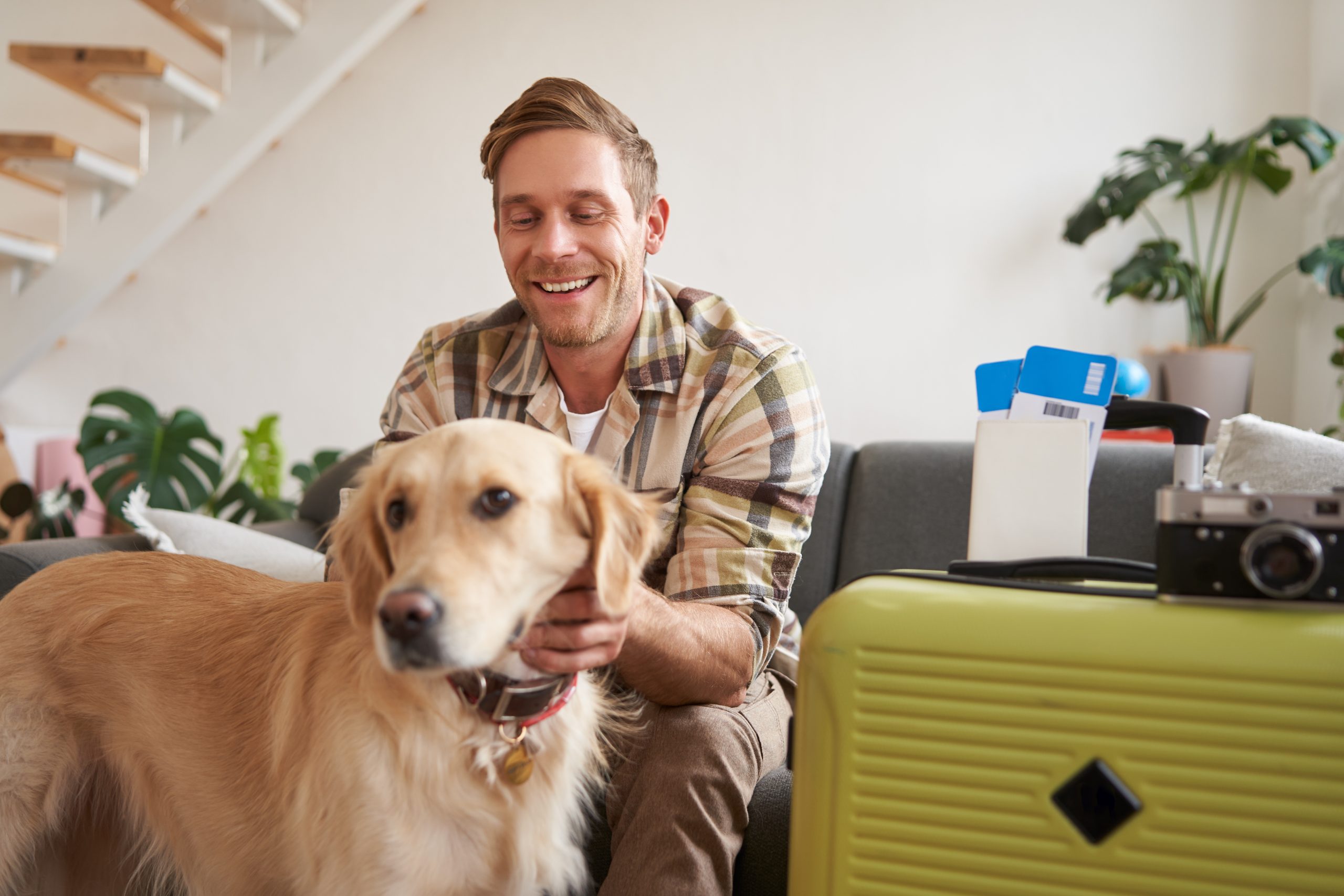

For most pet owners, the “black box” of pet relocation is what happens between the cargo drop-off and the reunion. The fear is often rooted in a lack of visibility. However, pet travel safety has undergone a digital revolution in recent years. In 2026, safe pet transport isn’t just a promise; it is a data-driven process. From digitized tracking to advanced environmental monitoring in aircraft holds, here is the cutting-edge technology ensuring your pet’s journey is as safe as your own.
1. Digitalization of the Air Waybill (e-AWB)
The most significant leap in how pets are tracked on planes is the total digitalization of the Air Waybill (AWB). Previously, paper documents could be lost or delayed, but the modern e-AWB serves as a “digital passport” for your pet.
-
Real-Time Status Updates: Because the documentation is digital, every milestone, check-in, boarding, takeoff, and landing is scanned and updated instantly in the airline’s system.
-
Global Visibility: This digital trail allows Animal Land to monitor your pet’s progress across international borders in real-time, ensuring that customs and ground handlers are ready for their arrival before the wheels even touch the tarmac.
2. Smart Holds: Advanced Environmental Control Systems (ECS)
A common misconception is that pets are placed in a dark, freezing luggage compartment. In reality, modern aircraft used for safe pet transport are equipped with dedicated Environmental Control Systems (ECS) in the cargo holds.
-
Pressurization & Temperature Sync: The cargo holds used for live animals are pressurized and temperature-controlled to the same specifications as the passenger cabin.
-
Real-Time Cockpit Monitoring: Pilots now have digital displays in the cockpit that provide real-time alerts on the temperature and oxygen levels of the cargo hold. If there is even a minor fluctuation, the flight crew is alerted immediately to take corrective action.
3. IATA One Record: The Future of Connectivity
The International Air Transport Association (IATA) has implemented “One Record,” a standard that allows everyone involved in the move, the airline, the vet, and Animal Land, to view a single, “true” version of the pet’s data.
-
Eliminating Errors: By sharing a single digital record, we ensure that specialized instructions (like “extra water” or “snub-nosed breed”) are never lost in translation between different handlers.
-
Connectivity: This system allows for better coordination during layovers, ensuring that “Live Animal” specialized teams are triggered to meet the aircraft the moment it arrives.
4. Specialized “Live Animal” Ground Handling Tech
Safety doesn’t just happen in the air; it happens on the ground. Modern airports have invested in specialized facilities and tech-enabled transport vehicles.
-
Climate-Controlled Transport: Many major hubs (like JFK’s ARK or the Frankfurt Animal Lounge) now use electric, climate-controlled vehicles to move pets from the warehouse to the plane, ensuring they are never exposed to tarmac temperatures.
-
CCTV & Monitoring: Modern animal lounges are equipped with 24/7 camera monitoring, allowing handlers to check on pets without disturbing them, reducing travel-induced stress.
The Animal Land Advantage: Human Expertise Meets High Tech
Technology has made safe pet transport more transparent than ever, but even the best digital systems require a human expert to act when things change. Whether it’s a sudden weather delay requiring a reroute or an updated vaccination requirement at a foreign border, technology is only the tool; our team is the pilot. At Animal Land, we merge cutting-edge tracking with decades of hands-on experience to ensure your pet is never just a number in a system. We don’t just monitor the data; we protect the life behind it.
See the difference that expert-led, high-tech pet relocation makes. Contact our team today for a free quote!