
If you’ve ever packed the car, grabbed the leash, and watched your dog suddenly disappear under the table, you’re not alone. Over the years, we’ve seen firsthand how travel, whether it’s a quick car ride or a longer journey, can trigger real anxiety in dogs. For some pets, travel is exciting. For others, it’s confusing, overstimulating, or even frightening.
The encouraging part is this: dog travel anxiety is common, understandable, and very often manageable. With the right travel preparation, a little patience, and guidance rooted in veterinary best practices, most dogs can learn to travel more calmly and confidently.
Why Travel Triggers Anxiety in Dogs
Dogs experience the world through their senses first. Travel introduces unfamiliar motion, sounds, smells, and routines all at once. From our experience, anxiety often stems from a mix of sensory overload and association.
Many dogs only travel for vet visits early in life, so the car quickly becomes linked with stress. Others struggle with motion itself, especially if they’ve experienced nausea. We’ve also seen dogs who are perfectly relaxed at home become anxious the moment routines change. New environments, strange noises, or even different lighting can be enough to put them on edge.
Veterinary behavior research supports this. Dogs that lack gradual exposure to travel or have had negative past experiences are more likely to develop anxiety responses tied specifically to movement and transport.
How to Recognize Travel Anxiety
Travel anxiety doesn’t always look dramatic. Sometimes it’s subtle. We’ve noticed dogs showing stress through excessive panting, trembling, drooling, pacing, or repeated yawning. Others refuse to enter the car or carrier altogether. Vocalizing, restlessness, and attempts to hide are also common. These behaviors aren’t signs of stubbornness or bad manners. They’re signals that your dog is overwhelmed.
Preparation Makes the Biggest Difference
If there’s one thing we’ve learned, it’s that what you do before the trip matters more than what you do during it.
Dogs respond well to familiarity and predictability. Instead of waiting until travel day, we recommend gradually introducing the travel environment in a calm, pressure-free way. Let your dog explore the car or travel crate while it’s stationary. Sit with them, reward calm behavior, and keep sessions short and positive.
We’ve seen real improvement when pet owners practice short, low-stakes trips, sometimes just around the block, paired with treats and praise. Over time, these small experiences help rewrite your dog’s emotional response to travel. Veterinary behaviorists commonly recommend this type of desensitization and counterconditioning because it builds confidence without overwhelming the dog.

Creating Comfort During Travel
Once you’re on the road, your goal is to make the environment feel as safe and familiar as possible. We always suggest bringing items from home, like a favorite blanket, bed, or toy. Familiar scents can be surprisingly grounding for anxious dogs.
Safety also plays a role in emotional comfort. Dogs who are secured in a carrier or safety harness often feel more stable, especially during turns or sudden stops. We’ve noticed that dogs who feel physically supported tend to settle more quickly than those who are free-roaming and constantly adjusting to movement.
Environmental details matter too. Keeping the vehicle cool, well-ventilated, and relatively quiet can reduce sensory overload. Some dogs respond well to soft music or white noise, which helps mask unfamiliar sounds and creates a more predictable atmosphere.
Natural Ways to Help Calm an Anxious Dog
Many pet owners ask us about natural remedies for dog travel anxiety. While no single solution works for every dog, there are supportive options that may help when used thoughtfully.
Pheromone products, which mimic the calming signals mother dogs naturally release, have been shown to reduce stress behaviors in some dogs. We’ve also seen compression wraps help certain pets feel more secure, especially during short trips or transitional moments. That said, natural aids work best when paired with training and preparation. They’re not substitutes for gradual exposure or positive reinforcement, but they can complement those efforts when anxiety is mild to moderate.
When Veterinary Support Is Appropriate
Sometimes, despite careful preparation, a dog’s anxiety remains intense. In those cases, involving a veterinarian is not a failure; it’s a responsible step. Veterinarians can evaluate whether anxiety medications or anti-nausea treatments are appropriate, particularly for dogs who experience motion sickness or panic-level stress. From what we’ve seen, medication is most effective when it’s part of a broader plan that still includes training and environmental management.
It’s important to never experiment with sedatives or supplements without veterinary guidance. What’s safe for one dog may be unsafe for another, and testing any medication before a long trip is essential.
Longer Travel Takes Planning and Patience
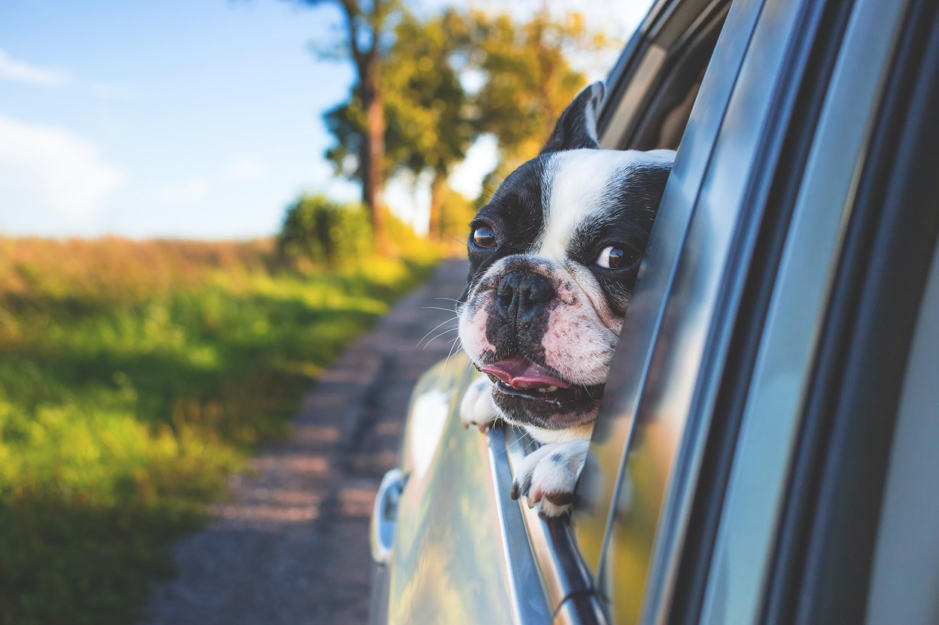
Longer journeys naturally introduce more challenges for dogs, especially those already prone to travel anxiety. Extended time in a vehicle, unfamiliar stops, and changes in routine can all add up quickly. We’ve found that dogs tend to cope better when long trips are broken into smaller, more manageable segments, with regular breaks for hydration, movement, and mental resets. Maintaining predictable routines, such as feeding, rest, and reassurance, can also help anxious dogs stay more regulated throughout the journey.
At the same time, one of the most common pitfalls we see is rushing the process or expecting too much too soon. Travel anxiety rarely disappears overnight, and pushing a dog past their comfort level can actually reinforce stress rather than reduce it. Skipping practice trips, overlooking early signs of anxiety, or relying on products alone without training and preparation often makes matters worse. When it comes to longer or more complex travel, patience, consistency, and empathy aren’t just helpful, they’re essential.
When Travel Anxiety Meets Real-World Travel Plans
While many dogs can learn to travel more comfortably with time and preparation, we also recognize that some journeys come with added complexity, like long distances, international regulations, airline requirements, or tight timelines. In those situations, managing your dog’s anxiety becomes just one part of a much larger picture. That’s where professional support can make a meaningful difference. Our pet travel consultants work with pet owners every day to plan safe, compliant, and lower-stress travel for dogs who need a little extra care along the way. From coordinating logistics to helping anticipate potential stress points, having an experienced team involved can give both you and your dog greater peace of mind, so the journey feels more manageable from start to finish.