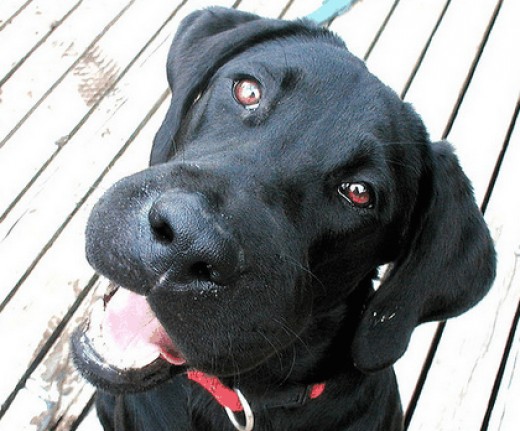

If you’ve ever spoken to your dog and watched them slowly tilt their head to one side, you’re not alone, and you’ve probably wondered what’s going on behind that curious expression. We hear this question all the time, because head tilting is one of those behaviors that feels intentional, almost human, and undeniably endearing. The truth is, dogs tilt their heads for a few different reasons, and most of them are perfectly normal.
In the video below, you’ll see a great example of that classic head tilt in action. But what you’re watching isn’t just a cute quirk. It’s a window into how dogs experience the world around them.
It Starts With Hearing and Sound Direction
One of the most common reasons dogs tilt their heads is to better locate sounds. Dogs’ ears are incredibly sensitive, but their ear shape and placement can make it harder to pinpoint exactly where a sound is coming from, especially when it’s unfamiliar or subtle.
When you speak, use a new tone, or make an unexpected noise, your dog may tilt their head as a way of adjusting their ear position. This slight shift helps them process sound more clearly and figure out what deserves their attention. We’ve seen this happen most often when owners use words their dogs recognize, like “walk,” “treat,” or “outside.” The tilt often appears right at the moment your dog is trying to decide whether what they’re hearing is important.
Facial Cues Matter Too
Another reason dogs tilt their heads has to do with how they read human faces. Dogs rely heavily on visual cues when communicating with people, and a head tilt may help them see your facial expressions more clearly. Some behavior experts believe that dogs tilt their heads to adjust their line of sight, especially if their muzzle blocks part of their view. This makes a lot of sense when you consider how closely dogs watch us; our expressions, body language, and reactions all factor into how they respond. In other words, your dog may be tilting their head because they’re paying very close attention to you.
Learned Behavior and Positive Reinforcement
Over time, many dogs learn that head tilting gets a reaction. We’ve seen countless dogs tilt their heads, watch their owners smile or laugh, and then repeat the behavior again later. From your dog’s perspective, this is a win. If tilting their head earns praise, affection, or engagement (e.g., positive reinforcement), they’re more likely to do it again. It becomes a reinforced behavior, not because it’s trained, but because it works. That doesn’t mean the behavior is fake or forced. It simply means your dog has learned that curiosity and attentiveness lead to good things.
A Small Behavior With a Lot of Meaning
What we love most about head tilting is that it’s such a clear sign of engagement. Whether your dog is trying to hear better, read your expression, or simply understand what you’re asking, that tilt means they’re tuned in. It’s a simple reminder that even the smallest behaviors can tell us a lot about how dogs think, learn, and connect with us.
When Small Behaviors Reflect Bigger Transitions
We’ve seen how closely dogs watch us, listen to us, and respond to changes in their environment, even subtle ones. Those same sensitivities can come into play during bigger transitions, like moving or traveling long distances. When a journey involves new surroundings, unfamiliar sounds, and time away from home, having the right planning and support can make all the difference. Our pet relocation services help families navigate relocation with care and experience, ensuring dogs and cats travel safely, comfortably, and in compliance with international requirements. When your pet’s well-being matters as much as the destination, thoughtful preparation goes a long way. Contact our team to learn more.