
If you share your life with a bulldog, pug, French bulldog, Boston terrier, or Persian cat, you have probably run into a frustrating surprise at some point. Many airlines will not fly your pet, or they attach special rules that other breeds never face. It can feel confusing and even a little alarming, especially when you are on a deadline to relocate and your carrier suddenly says no.
The good news is that snub-nosed pets move around the world every day. It takes more planning, the right airline, and the right routing, but it is very achievable with the correct approach. This guide explains what a snub-nosed breed is, why airlines restrict these pets, which travel options remain open, and how to prepare your dog or cat for a safe flight.
The short version: yes, snub-nosed dogs and cats can fly. Small pets can often travel in the cabin where airline and destination rules allow it. Larger snub-nosed dogs that cannot fit under a seat need a specialist to build a safe cargo itinerary, because most passenger airlines now restrict or refuse these breeds in the hold. That is the core of our international pet relocation work.
What Is a Snub-Nosed (Brachycephalic) Breed?
“Brachycephalic” is the veterinary term for animals with a short, broad skull and a pushed-in face. Because the snout is compressed, these pets carry the same nasal passages, sinuses, and soft palate as a long-nosed animal, but packed into a much smaller space. As the American Veterinary Medical Association explains, that crowding is what leads to the breathing challenges these breeds are known for.
Snub-nosed dog breeds commonly include:
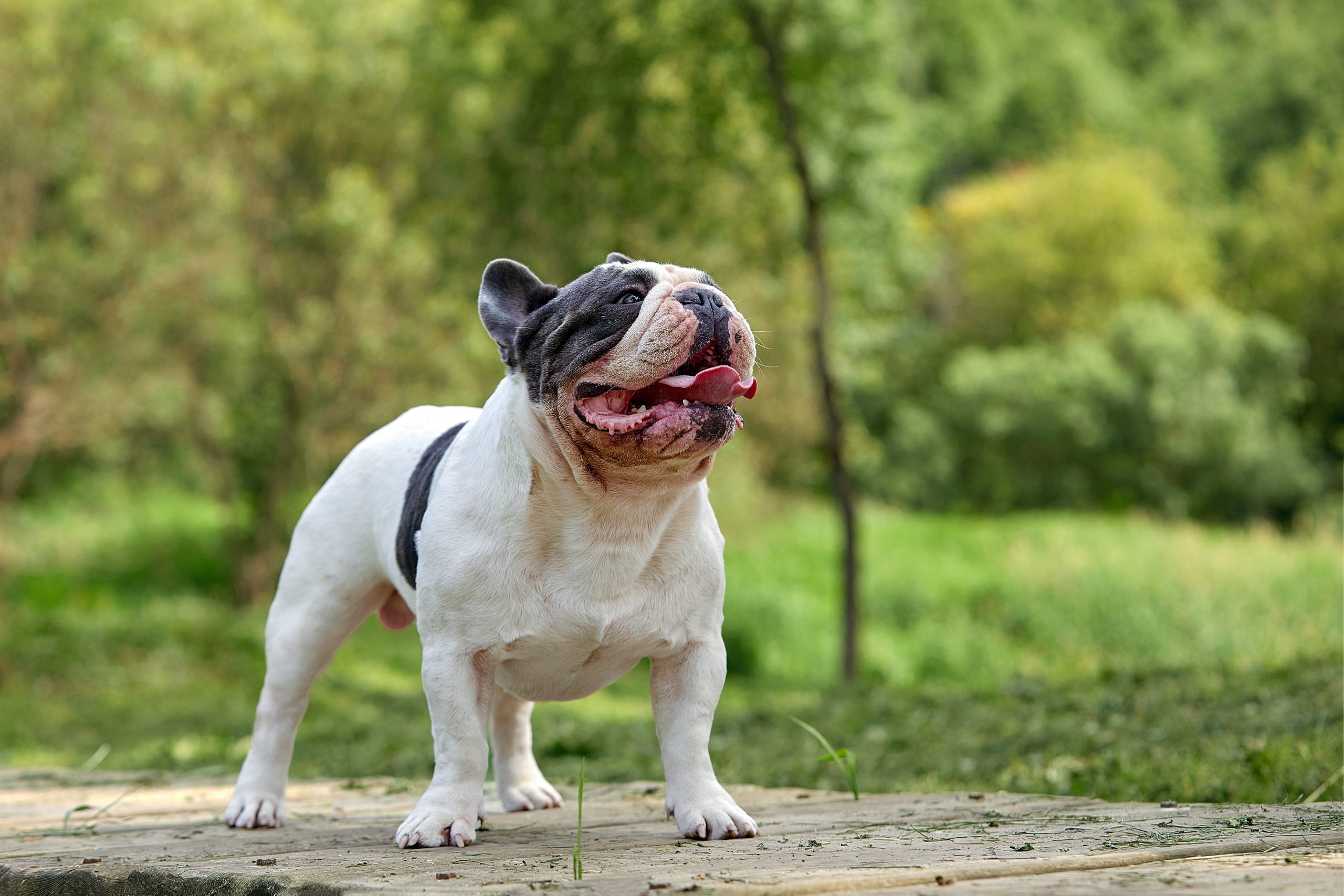
- Bulldogs (English and French), Boston terriers, and pugs
- Boxers, bull mastiffs, and other mastiffs
- Pekingese, Shih Tzus, Lhasa Apsos, and Tibetan spaniels
- Chow chows, Shar Peis, Cane Corsos, and Dogues de Bordeaux
- Affenpinschers, Brussels griffons, Japanese chins, and English toy spaniels
Snub-nosed cat breeds commonly include:
- Persians, Himalayans, Burmese, and Exotic Shorthairs
Airlines do not all use the same list. One carrier may accept a breed that another refuses, and most apply the rules to mixes of these breeds as well. Always confirm how your specific airline classifies your pet before you book, or let our team confirm it for you.
Why Do Airlines Restrict Snub-Nosed Breeds?
Airlines restrict these breeds because their airway anatomy makes flying riskier for them than for other pets. Veterinarians have long recognized that brachycephalic animals are more prone to breathing trouble even in everyday life, and air travel stacks several stressors on top of that at once.
Three factors combine during a flight:
- Heat sensitivity. Dogs cool themselves mainly by panting, and a shorter muzzle has less surface area for that heat exchange. Snub-nosed pets overheat more easily as a result.
- The noise, movement, and unfamiliarity of travel raise a pet’s breathing rate, which is exactly when a compromised airway struggles most.
- Reduced monitoring in the hold. In cargo, no one can watch your pet during the flight, so a breathing problem may not be noticed until landing.
The data reflects this. According to the American Veterinary Medical Association, reviewing U.S. Department of Transportation figures, brachycephalic breeds such as bulldogs and pugs made up roughly half of the dogs that died during cargo transport on U.S. airlines over the period studied. Incidents remain rare overall, but the pattern was clear enough that many carriers chose to limit or stop carrying these breeds in the hold.
None of this means the move is off the table. It means the move needs to be planned carefully, which is exactly what a relocation specialist is for.
Can Snub-Nosed Dogs and Cats Still Fly?
Yes. The path depends mostly on your pet’s size and your destination’s rules.
- Small snub-nosed pets that fit in an under-seat carrier can often travel in the cabin, where they stay in a temperature-controlled space you can keep an eye on. For these breeds, cabin travel is generally considered the safer option.
- Larger snub-nosed dogs that cannot fit in the cabin need a cargo itinerary, and that is where careful airline selection and routing matter most.
Keep in mind that where your pet is allowed to ride is not only the airline’s decision. Some countries require incoming pets to arrive as cargo, even when the airline would otherwise allow the cabin. Your destination’s import rules and your airline’s breed policy both have to line up, so it pays to check them together rather than one at a time.
Which Airlines Allow Snub-Nosed Breeds?
Policies vary widely and change often, so the honest answer is that it depends on the carrier, the season, and the route. A few examples show how different the rules can be.
- Delta does not accept snub-nosed dogs or cats as cargo or checked baggage on any Delta or Delta Connection flight, and it applies that rule at all times, regardless of the animal’s age, weight, or the temperature, per the Delta Cargo Restricted Animals page. For the full picture of Delta’s current pet program, see our Delta Airlines pet policy guide.
- American Airlines also will not carry brachycephalic dogs or cats, or their mixes, as checked pets or as cargo, though small pets that meet the requirements may still travel in the cabin, according to American Airlines Cargo.
- Many carriers that do still accept these breeds add seasonal temperature embargoes, refusing snub-nosed pets in the hold when forecast temperatures along the route rise above a set threshold, often somewhere in the range of 75°F to 85°F.
Because different airlines keep different breed lists and update them frequently, a carrier that works for one family may not work for another. We track current airline policies as part of every move. You can also compare carriers in our guide to the top airlines for pet travel and our Virgin Atlantic pet travel breakdown.
One caution worth repeating: airline policies can change without much notice. Always confirm the current rules directly with the carrier, or let our team confirm them for you, before you commit to any travel dates.
How Does Cabin Travel Work for Snub-Nosed Pets?
If your pet is small enough, the cabin is usually the best option. A few practical points to plan around:
- Size and weight
- Your pet plus the carrier must fit under the seat in front of you and stay within the airline’s weight limit, which is often around 20 lbs combined but varies by carrier.
- Book early
- Airlines cap the number of animals allowed in the cabin per flight, so reserve your pet’s spot when you book, not at the airport.
- Choose the right carrier
- Use a ventilated, leak-proof carrier that fits under the seat. A carrier on the larger end of what is allowed improves airflow for a snub-nosed pet.
- Keep monitoring
- Even in the cabin, watch your pet’s breathing and keep the space around the carrier clear for air circulation.
What About Larger Snub-Nosed Dogs That Cannot Fit in the Cabin?
This is the situation that stops most owners in their tracks, and it is the one we handle most often. When your bulldog or mastiff is too big for the cabin and your usual airline refuses the hold, the move is not impossible. It just needs to be engineered.
In practice, that means:
- Choosing an airline that still accepts the breed in cargo, and confirming it accepts your specific breed and mix.
- Routing around the heat. We look for cooler departure cities, cooler times of day, and cooler seasons, and we favor the most direct routing to limit time in transit.
- Meeting the stricter crate rules. Under the IATA Live Animals Regulations, snub-nosed pets must travel in a kennel one size larger than normal, with ventilation on all four sides, and they are stowed away from other cargo so they have the most air space possible.
- Building in temperature contingencies, so a hot forecast does not strand your pet partway through the journey.
A real example: we once moved two short-nosed dogs out of Texas in late May, when no airline would accept them locally because of the heat. Rather than cancel, we found a departure out of Colorado where temperatures were still cool, and both dogs traveled safely, door to door. That kind of problem solving is often the difference between a move that happens and one that does not.
For more on how air travel actually works, including crates and handling, see our ultimate guide to pet cargo and air freight and our look at how airlines track and care for pets in transit.
How Do I Prepare a Snub-Nosed Pet for Air Travel?
Whether your pet flies in the cabin or the hold, good preparation lowers the risk.
- Start with a vet visit. Confirm your pet is healthy enough to fly, and address any existing breathing issues in advance. Keeping your pet at a healthy weight matters too, because excess weight worsens airway problems.
- Acclimate the crate. Introduce the travel crate weeks ahead so it feels familiar rather than frightening. A calmer pet breathes easier.
- Travel in cooler months when you can. Heat is the single biggest risk factor, so a winter or shoulder-season move is safer than a summer one.
- Choose direct flights and shorter routes. Less time in transit means less stress and less exposure to temperature swings.
- Skip sedation unless your vet directs it. Most veterinarians and airlines advise against sedating pets for air travel, because it can interfere with breathing and temperature control, which are already the main concerns for these breeds.
- Use thin bedding. A thin blanket or flat lining is safer than thick, fluffy bedding that a pet can bury its nose in.
How Animal Land Helps Move Snub-Nosed Breeds
Moving a flat-faced pet is one of the most common challenges our clients bring to us, and after more than 25 years of international pet relocation, it is one we have solved many times over. When you work with us, your snub-nosed dog or cat is handled by a personal move counselor who confirms which airlines will accept your breed, builds routing designed around temperature and transit time, arranges a compliant kennel sized correctly for a snub-nosed pet, coordinates your veterinary documentation, and manages the move door to door. We also monitor airline policies as they change, so you are not left scrambling when a carrier updates its breed list a week before departure.
If you have a snub-nosed dog or cat and a move on the horizon, the earlier we start, the more options we have. Request a free price quote or contact our relocation team to talk through the safest plan for your pet.
Frequently Asked Questions
Can brachycephalic dogs fly in cargo?
Some airlines still allow it under strict conditions, but many, including Delta and American, no longer accept snub-nosed breeds in cargo or as checked baggage at all. Whether cargo is an option depends entirely on the carrier, the route, and often the season. A specialist can tell you quickly which airlines remain open for your breed.
Which breeds are considered snub-nosed?
Common snub-nosed dogs include bulldogs, French bulldogs, pugs, Boston terriers, boxers, Pekingese, Shih Tzus, mastiffs, and chow chows. Snub-nosed cats include Persians, Himalayans, Burmese, and Exotic Shorthairs. Airlines vary in how they define the list, and most apply it to mixes as well.
Is it safe to fly a snub-nosed dog?
It can be, with the right precautions. The risks are real, which is why airlines restrict these breeds, but careful airline selection, cooler-weather routing, proper crating, and a healthy pet all reduce the risk substantially. When the pet is small enough for the cabin, that is generally considered the safest option.
Can my bulldog fly overseas?
Yes, in most cases, but it takes planning. Large snub-nosed dogs usually cannot travel in the cabin, so the move depends on finding a cargo-approved airline for the breed and routing around heat. This is exactly the kind of move we build for clients regularly.
Should I sedate my snub-nosed pet for the flight?
Generally no. Most veterinarians and airlines advise against sedation for air travel because it can interfere with breathing and temperature regulation, which are already the primary concerns for these breeds. Always follow your own veterinarian’s guidance.
Airline breed policies and temperature embargoes change frequently. Always confirm the current requirements directly with your airline and destination authority before booking, or let Animal Land confirm them as part of your move. This guide is for general information and does not replace airline or veterinary advice specific to your pet.