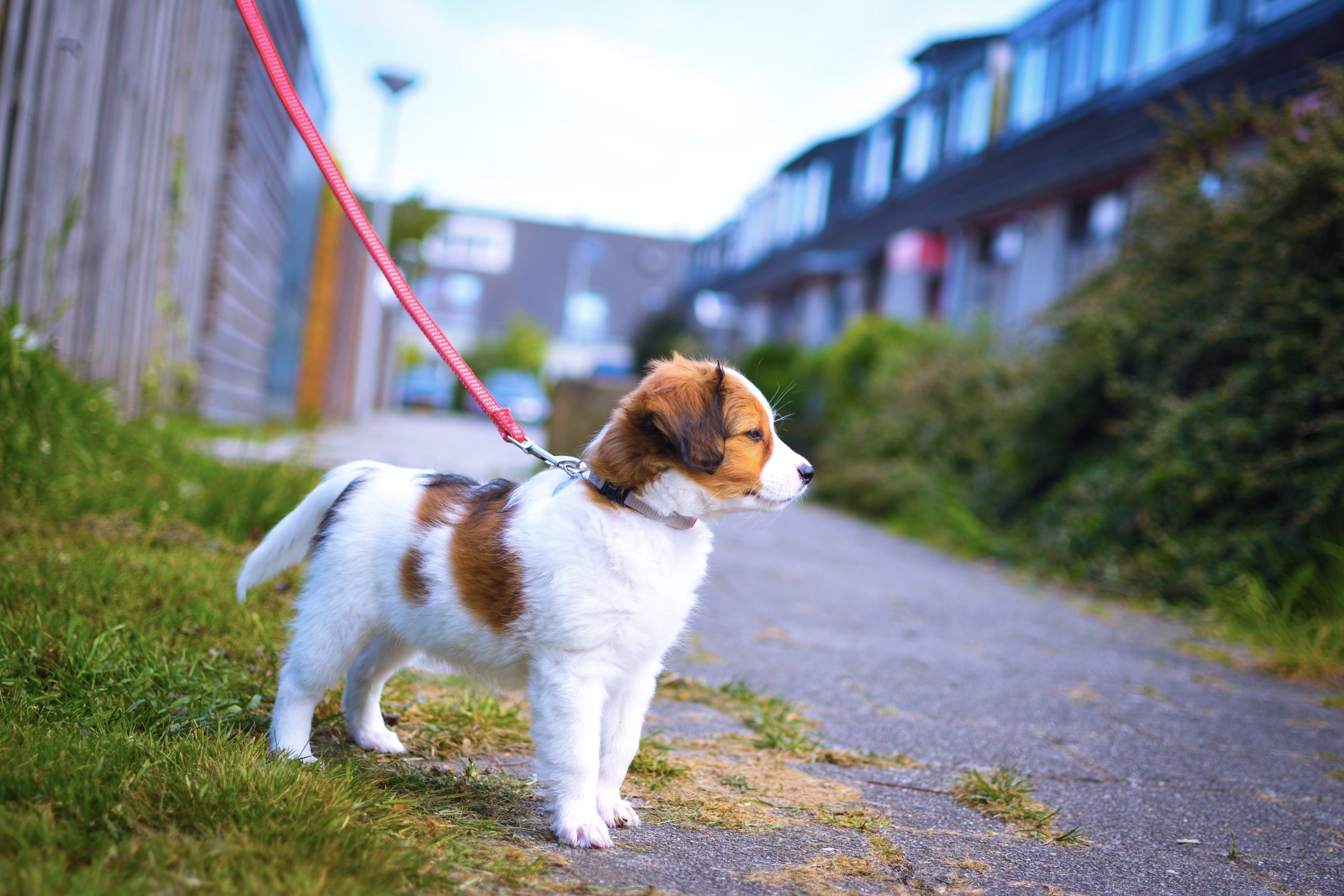

Leash training is one of those puppy milestones that looks effortless when you see someone else doing it… and feels like you’re negotiating with a tiny, furry tornado when it’s your turn.
The good news: leash skills aren’t “natural” for most puppies. They’re learned, just like sitting, coming when called, or not chewing your shoelaces. With a little consistency (and a lot of tiny treats), you can teach your puppy to walk with you on a loose leash in a way that’s calm, safe, and enjoyable.
This guide will walk you through what to buy, what to practice at home, how to handle pulling, and what to do when distractions (aka every leaf ever) show up.
Start With the Right Expectations
Before you focus on “perfect walking,” aim for these early wins:
-
Your puppy is comfortable wearing a collar/harness and leash.
-
Your puppy can follow you for a few steps indoors without pulling.
-
Your puppy learns that staying near you makes good things happen.
That’s the foundation. Loose-leash walking comes from repetition and rewarding the behavior you want. The American Veterinary Society of Animal Behavior strongly supports reward-based training methods as the most effective and least harmful approach.
What You Need to Leash Train (Keep It Simple)
Leash: A standard 4–6 foot leash is ideal for training. Avoid retractable leashes while teaching leash manners; they can reward pulling by giving your puppy more distance.
Collar or harness:
-
A flat collar is fine for many puppies.
-
A well-fitted front-clip harness can be helpful if pulling is intense, because it reduces the “sled dog” effect.
Treats: Small, soft treats you can deliver quickly. Think “pea-sized.”
Optional but helpful: A clicker or a consistent marker word like “Yes!”
Step 1: Make the Gear a Positive Thing
Put the collar/harness on your puppy for short periods indoors, then immediately do something fun; play, cuddle, treat scatter, or a mini training session. Then clip on the leash and let your puppy drag it for a minute (supervised). The goal is: leash = normal.
The American Kennel Club recommends starting exactly this way: short indoor sessions with treats so your puppy associates leash time with good stuff.
Do this for 2–3 days (or longer if your puppy is sensitive) before you worry about walking anywhere.
Step 2: Teach “Check In” Before You Ever Hit the Sidewalk
The easiest puppies to walk are the ones who think, “My person is worth paying attention to.”
Try this quick game in your living room:
-
Stand still with your puppy on leash.
-
Say nothing. Wait.
-
The moment your puppy looks at you (even for half a second), say “Yes!” and treat.
-
Repeat 10 times.
This creates a habit: eye contact = rewards. That habit will save you outside.
Step 3: The First “Walk” Is 10 Feet Long
Once your puppy is comfortable on leash indoors:
-
Hold the leash so there’s a gentle “U” shape (slack).
-
Take one step.
-
If the leash stays loose, say “Yes!” and treat at your side (where you want your puppy to be).
-
Take another step. Reward again.
You’re basically teaching: loose leash makes the walk continue.
Many humane organizations teach some version of this “reward the position you like” approach and build duration slowly in low-distraction environments first.
Keep sessions short: 3–5 minutes. Puppies learn fast, then melt down fast.
Step 4: Use “Red Light, Green Light” for Pulling
Pulling is normal. Your puppy sees the world and thinks, “I must go smell that immediately.”
Here’s the simplest rule that works:
-
Tight leash = stop (red light)
-
Loose leash = go (green light)
When your puppy pulls:
-
Stop walking.
-
Plant your feet.
-
Wait for your puppy to turn back, step toward you, or loosen the leash.
-
The moment the leash loosens, mark (“Yes!”) and move forward again.
AKC teaches this exact concept: don’t let the walk itself reward pulling—only move forward when the leash is loose.
This is boring at first. Then it becomes magic.
Step 5: Add a Cue (Optional, But Nice)
Once your puppy is reliably following you indoors, add a cue like:
-
“Let’s go”
-
“With me”
-
“This way”
Say the cue right before you start moving, then reward after a couple of loose-leash steps. Over time, that cue becomes your “reset button” outside.
Step 6: Go Outside… But Choose Easy Mode
When you’re ready to take leash training outdoors, think of it as turning up the volume just one notch, not jumping straight to a full concert. Your puppy is suddenly surrounded by a new environment, and every one of them is competing for attention. That’s why the first outdoor walks should happen in calm, familiar places like your driveway, backyard, or a quiet stretch of sidewalk, rather than the busiest park in town.
If leash walking feels harder outside, it’s not because your puppy is misbehaving. It’s because the world is incredibly interesting. Squirrels, passing cars, distant dogs, and fascinating smells all offer instant rewards that easily outshine a person holding treats. To set your puppy up for success, lower the difficulty. Keep outings short, bring higher-value treats than you used indoors, and reward your puppy often for checking in with you, even if it’s just a quick glance. Those small moments of attention are the building blocks of relaxed, enjoyable walks later on.
Common Puppy Leash Problems (And What To Do)
“My puppy bites the leash!”
Usually, overstimulation or play behavior.
Try:
-
Bring a tug toy and redirect
-
Stop moving, ask for a simple behavior (sit), reward
-
Keep leash sessions shorter
“My puppy freezes and won’t walk.”
Don’t drag. Make it a game:
-
Toss a treat a foot ahead
-
Reward any forward movement
-
Practice indoors again first
“My puppy pulls toward dogs/people.”
Distance is your friend.
-
Step off to the side
-
Feed treats rapidly while the trigger passes
-
Reward your puppy for looking at you, not the distraction
Reward-based methods that reduce fear and build positive associations are widely recommended by veterinary behavior experts.
When to Get Extra Help
Consider professional support if:
-
Your puppy shows fear, shaking, or panic on walks
-
Your puppy is reactive (lunging, barking intensely)
-
Leash biting or pulling is escalating and stressful
A qualified positive-reinforcement trainer can spot small handling mistakes and help fast.
Leash Training is Teaching Your Pup a Life Skill
Leash training isn’t just about calmer walks around the block; it’s about teaching your puppy how to move through the world with confidence, owner trust, and clear communication. Every loose-leash step reinforces the idea that good things happen when your pup pays attention, stays connected, and feels safe by your side. Be patient with the process, celebrate small wins, and remember that consistency matters far more than perfection. The time you invest now pays off for years in safer outings, lower stress, and a stronger bond between you and your dog.
Planning a Move or Trip With Your Pet?
If you’re preparing for a move, especially a long-distance or international one, your pet’s comfort, safety, and routine matter just as much as leash manners. We specialize in professional pet relocation services designed to reduce stress for both pets and owners. From travel planning to documentation and door-to-door transport, their experienced team helps ensure your pet’s journey is as smooth as possible.